
F1, esports, simulation, hyperreality, Jean Baudrillard, media
Ville Malinen
ville.m.j.malinen [a] student.jyu.fi
Ph.D., researcher
University of Jyväskylä, Finland

How to cite: Malinen, Ville. 2026. ”Off-track and on to broadband? The relationship and future between esports and motorsports in F1”. WiderScreen Ajankohtaista. https://widerscreen.fi/numerot/ajankohtaista/off-track-and-on-to-broadband-the-relationship-and-future-between-esports-and-motorsports-in-f1/
Originally published in Finnish as Malinen, Ville. 2019. ”Radalta Laajakaistalle? E-urheilun ja autourheilun välinen suhde ja tulevaisuus F1:ssä ”. Electronic Journal of Business Ethics and Organization Studies 24 (2), 51–61. http://ejbo.jyu.fi/pdf/ejbo_vol24_no2_pages_51-61.pdf
Republished in English with a permission.
Some updates included.
In this article, I address the growing interaction between esports and autosports and the possible, consequent changes regarding the power relationship of these sports. Due to pressure to change that the automotive industry and -sports have faced, I argue that in the future competitive gaming with its popularity as a media-friendly sport could become as popular as the F1 series, for example. These are related to the byproducts of esports, such as the synergy between states, constructors, and teams. These would have larger cultural, economic, and technical consequences and even affect fan and gaming culture. My theoretical framework is Jean Baudrillard’s concepts of simulation, simulacra, and hyperreality that relate to miming, experiencing, and replacing reality. With the investments of competitive gaming, carmakers, game and equipment manufacturers, fans, as well as sports and institutions, there is a possibility that virtual gaming becomes one of the ”real” motorsports due to its low costs, entertainment value, and sustainability. However, F1 Esports have problems when compared to real life auto sports. These problems include limitations of the source code, and the potential to simulate unpredictable competition incidents. It lacks an affective feel connected with the risk of actual physical injury – or even death. Nevertheless, the growing interest of official autosports among esports offers possibilities to different parties. Yet the success of a simulated racing series requires sufficient popularity and adequate, high-quality gaming simulations.
Introduction
In this article, I reflect on the views of the French philosopher Jean Baudrillard by utilising the relationship between simulation, the F1 series and the F1 Esports racing game series founded in 2017. I argue that in the future, of all the simulated racing series, it will be possible for F1’s own esports series to rise closer to the popularity of the real-life F1 series, or at least complement the publicity value of its paragon. This is due to the license of the International Automobile Federation FIA, its low threshold participation, ecology, broadcastability, and high competition level. Simulation gaming has clear advantages over the F1 series. For example, it is more environmentally friendly, safer, and requires significantly fewer resources to start a career. At least for the time being, it is not plagued by conflicts related to organizing races in countries where there are political tensions.
On the other hand, there are some counterarguments to the success of the F1 Esports series. The principle of imitation associated with simulation, the limitations of the game code, the controversy over the sporting status of esports – especially due to the physical criteria required for it – possible corruption and environmental problems as seen in real-life sports, and the lack of risk-taking and life-threatening conditions surrounding F1 from the point of view of entertainment and gaming experience. The aim of my research is to analyze and describe the broader changes in the relationship between esports and motorsport culture. How will the trends develop in the future? The core question is whether the growing popularity of esports can create serious pressure on traditional sports in order to challenge its status and media visibility. At the same time, I assess if this scenario can as a matter of fact improve the media visibility and popularity of F1, in the hope of gaining new audiences.
In addition to the academic literature on game and simulation research and (auto) sports, I seek answers to these questions using various sports news outlets as sources. Due to the theoretical framework, research sources, and relative research data of my article, my approach is closer to a qualitative analysis that emphasizes a holistic understanding of the topic. My research design is close to descriptive research. Comparing the conclusions of research articles related to the topic, and observations extracted from the news plays an important role in this approach.
The adaptation of previous game and simulation research is indicative without extensive empirical and quantitative research data specifically gathered for this purpose. This is due to the limited study of the relationship between previous esports and motorsports. Despite their overlaps, there are also differences between gaming and sports cultures in terms of their starting points, their history, and the definition of professional status. In addition, the simulation theory and its research are conceptually flexible and open to many interpretations. This is because of the faculty-specific differences in the understanding of the function and specific reference of simulation, for example, in the fields of mathematics or social sciences. Therefore, I chose to use Baudrillard’s (1994; 2002) and Kuivakari’s (2018) interpretations to illustrate the versatility of simulation in understanding the shifts of the relationship between esports and motorsports.
My purpose is to increase the comprehension of the bigger picture regarding the changes and opportunities that simulated esports have brought and could bring to traditional media sports. I hope that my work will spark new research on the relationship between simulated esports and traditional sports, especially motorsports, that enjoy media coverage. Further research could concern, for example, the analysis of fan relations, financial interests, synergy related to sports, and changes in broadcasting.
In the first section of the article, I elaborate the breakthrough of simulation racing into the world of sports with the contribution of the car and game industries, as well as the fine line between racing and simulation game drivers. In the second section, I provide background on the establishment of esports and the related discussion by utilizing various research articles. In the third section, I briefly discuss the connection between esports, the environmental problems, and the political grievances of real-life sporting events. In the fourth section, I examine the features of esports as a simulated playing field in more depth. In the fifth section, I analyze and reflect Baudrillard’s views on simulation, simulacra, and hyperreality using F1 and esports as case studies. These complement each other as concepts related to the imitation of reality. In the sixth section, I analyze simulation, the F1 series, and the conflict of emphasized safety, excitement and danger within the sport. From the perspective of the media spectacle, these are the questions that the Formula One Esports series will have to resolve. Finally, I consider the sufficiency of the entertainment value of F1 Esports and its opportunities both as a sport in its own right and in relation to its paragons.
The arrival of simulation races in the world of automotive industry and auto sports
In 2008, car manufacturer Nissan partnered with the game studio Polyphone Digital and electronics manufacturer Sony’s PlayStation console brand to form GT Academy, a series of racing games around Gran Turismo (Sony Computer Entertainment/Polyphony Digital, 1997-) (see Gran-Turismo.com). The purpose of the academy, known by various names, was to give anyone playing driving simulations the opportunity to participate in real-life motorsport competitions. A tiered competition between players culminated in the best player becoming a professional driver and participating in an official racing series licensed by the International Automobile Federation (FIA) with a Nissan fleet. Currently manufacturers organize Gran Turismo Sport (Polyphony Digital, 2017) tournaments, and it culminates in a World Championship tournament. The academy has been a unique form of organizing not only racing tournaments but also refining players into racing drivers due to the scope of cooperation, professionalism, and techno-economic connections. There are regularly streamed broadcasts of various tournaments.
In the spirit of GT Academy’s concept, the driving abilities of simulation players have been speculated and tested over the years in other ways (IMDB.com). For example, in 2013, the editorial staff of the Top Gear magazine tested how well the erstwhile world champion of the iRacing (iRacing Studios, 2008) simulation game, Greger Huttu from Finland, would perform with real racing equipment (see Top Gear 15.11.2013). Huttu was quite competitive for a first-timer. However, he had to stop driving because of his insufficient physical condition and nausea that the exertion caused. Other competitions similar to GT Academy have also been held in the 2010s from various motorsport series. For example in 2017, the F1 team McLaren organised such competitions (see Mclaren.com 21.11.2017). The Finnish E-sports Championship series under the Finnish Autosport Federation, AKK-Motorsport, is currently run in Finland (see Vauhdin Maailma 4/2017).
In 2017, virtual motorsport rose to a new level when the Formula 1 series entered the esports scene with the launch of the Formula One Esports series. By 2019, it had been running for two seasons (see f1esports.com). Liberty Media, the new owner of the F1’s broadcasting rights, wanted to bring the relationship between F1 and fans closer through the esports series. Consequently, this would increase F1’s media visibility and popularity (see Sky Sports 8.9.2016). In the 2019 F1 Esports series, all ten teams in the F1 series participated as their official esports teams. In the 2018 season, three Finnish drivers – Joni Törmälä, Olli Pahkala and Tino Naukkarinen – were selected to compete as drivers in different teams. Naukkarinen was the first ”draft” for the series out of them. (see mtvuutiset.fi 9.7.2018). Like GT Academy, the races are streamed, but they are less frequent and the drivers don’t get official real-life racing driver status. Entering the series is a low-threshold process: it is open for everyone with the latest official Codemasters F1 game. The best players will make their way through the qualifiers to the top 40 driver recruits. The top 20 are selected to represent the teams themselves. The number of driver recruitments has since been increased to 30, and two of the three drivers from each team take turns in the races.
F1 is generally understood to be the fastest, most advanced, challenging and expensive technological motorsport series in the world. This fact speaks for the uniqueness and high-level of the series. It has been run since the 1950s, and hundreds of millions of people around the world follow it. The teams’ budgets are in the tens and hundreds of millions – not to mention the billions in turnover. The launch of F1’s own virtual game series is not the only nor the first of its kind in the world of motorsport, and professional drivers have also participated in simulation races (see The Drive 6.4.2019; Motorsportmagazine.com 22.7.2019). The future power position of the series and its categorization as a sport have been speculated. (see Vauhdin Maailma 1/2014; Vauhdin Maailma 4/2017; mtvuutiset.fi 20.10.2018; GTPlanet.net 11.10.2018; Motorsport.com 20.12.2018; Crash.net 27.8.2019.)
Positioning esports in the world of sports
The popularity of esports is a consequence of such factors as the development of gaming technology and internet connections, the ever-growing popularity of gaming, changes in people’s media relationship and consumption of it, and the renewal of the relationship between sports and entertainment itself (see, e.g. Jonasson & Thiborg 2010, 287,289). Watching traditional sports has also undergone changes due to technological development. In addition to televised broadcasts, viewers can follow events and competitions with their smart devices and by purchasing various channel packages to watch the broadcasts. In addition to entertainment value and player rankings, esports involve economic and cultural capital across national borders. The adoption of esports racing series as part of business cooperation and racing series has been fully realized with these developments as recently as in the 2010s.
The history of esports dates back at least approximately twenty years. Multiplayer gaming began to become more common with the aid of the Internet after the early 1990s, especially as the popularity of first-person shooter (FPS) games increased (Jonasson & Thiborg 2010, 288, see also Jonasson 2016, 30). Over the years, esports has become more professional and popular, due to sports organizations and cash prizes awarded in professional tournaments, for example. (see Jonasson & Thiborg 2010, 288–289.) The relationship between gaming tournaments and competitive gaming is intertwined, but what distinguishes the prevailing esports culture from the previous gaming tournament culture is its professionalism, regularity, and systematization. Not only the teams, and manufacturers of technology and games attend esports events, but also sponsors (Business Insider 12.1.2018). Mariona Rosell Llorens (2017) has highlighted the MOBA (Multiplayer online battle arena) game League of Legends (Riot Games, 2009) as the most relevant single game that contributed to the breakthrough and establishment of the esports culture (Llorens 2017, 465). The game’s broadcast eligibility/ability to televise, and the players’ activity on social media such as Youtube.com and Twitc.tv influenced the popularity partly (Llorens 2017, 466). Examples of older, occasional, and more unprofessional competitions include pinball and arcade tournaments, as well as gaming tournaments around a specific form of popular sport such as motorsport or ice hockey (see Saarikoski et al. 2017).
The growing popularity of esports has sparked discussion about granting it a sports status, and why esports as a competitive activity should be classified as such in the first place. Of the various games, League of Legends and Counter-Strike: Global Offensive (also known as CS:GO, Valve Corporation & Hidden Path Entertainment, 2012) have been categorized as ”esports” (separate and independent forms/series) because this kind of (e)sports games are competitive and players compete against each other via the game (Llorens 2017, 467). The status of esports as a sport can be compared on the basis of the gamified goal and the criteria for gamified means, which are met, as esports games require special skills and physical activity. However, these required conditions are debatable due to the instrumental nature and limited establishment of competitive gaming (Suits 1988a, in Llorens 2017, 468; Hemphill 2005, in Llorens 2017, 468).
Llorens (2017) has studied the breakthrough of esports as a phenomenon and the boundaries between gaming and sports. According to her, the prevailing esports meet several criteria describing sports. It is widely followed and established as a sport, and that is why virtual sports have moved closer and closer to mainstream sports consequently (see Llorens 2017, 469). The granting of sports status is still complicated by the definition of players as athletes, the international institutionalization of the sport, the lack of gaming infrastructure, and the uneven gender distribution among players (Llorens 2017, 472–474). Esports could also be divided into such categories as play, competition, or physical sports. However, in the case of the (traditional) sports category, the physicality of esports has caused some ifs and buts (see Jonasson & Thiborg 2010, 289–290).
Esports in motorsport have been institutionalized as a part of the sports relatively recently. Hence, the establishment and adoption of F1 virtual races as part of the F1 world may take its time among the series’ more traditional fan base. However, this could also be a decisive factor in the breakthrough of simulated parallel series as the side races also attract players and spectators to the F1 series itself. In the case of GT Academy, the series’ commitment to the PlayStation game brand and the Gran Turismo franchise raises questions about the limitations of the franchise’s ownership. For example, Veli-Matti Karhulahti (2017) has pointed out that despite certain similarities with organized real-life sports, commercial factors surrounding the sport dominate esports. The influence of gaming companies over the games in which they compete is also a factor: the continuity of gaming and the existence of licensed games in general are dictated by their success as products and their constant updating (see Karhulahti 2017, 45–49). Techno-commercial development and cooperation are topical for both series. In addition to sponsorship and broadcasting agreements, for example, the changing of Nissan to another car manufacturer, the withdrawal of an F1 team from an esports series, or the change of a licensed game company are some of the variables that affect the state of the series.
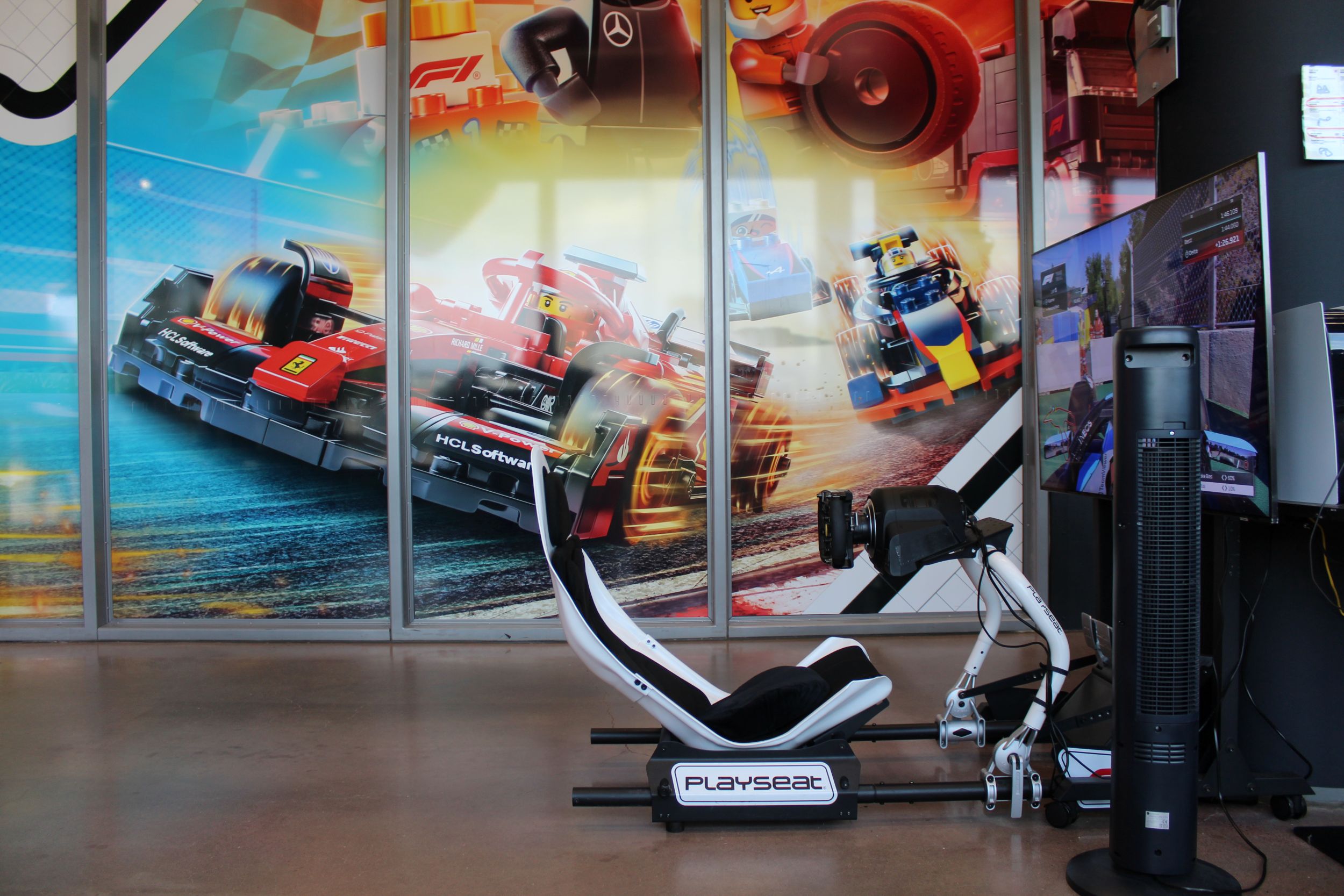
In the case of both GT Academy and Formula One Esports, the physicality required in real motorsport limits the categorization of series/tournaments as sports. However, the recent addition of Live Ghost gameplay to Formula E, where players can play in real time against the real performances of the drivers in the series and replay past race events, has brought the gaming experience even closer to real driving (see FIAFormulae 26.4.2019). Similarly, car manufacturers’ interest in a particular game or the appearance of alternative competitors would complicate the official status of esports series. In addition, independent competitive series and game versions players themselves have produced make matters more complex (see e.g. Historicsimracing.forumotion.com).
Despite the grey areas of categorization, the popularity and publicity value of esports are undeniable. In the 2010s, the popularity of esports reached such a level that League of Legends had more than 100 million monthly players (DOT ESPORTS 13.9.2016). Tens of millions of people watch gaming tournaments online. At best, tens of thousands of people follow competitive gaming on-site as professional teams play for valuable prizes (Jenny et al. 2016, 1–2). Currently capital in competitive gaming is measured in billions of dollars. For example, in 2019 the winners of the DOTA 2 (Valve, 2012) tournament won a prize sum of 15 million dollars (see PCGAMER 25.8.2019; Game Developer 17.1.2019).
Broader social and economic motives have also influenced the breakthrough and establishment of esports. Certain universities in the United States award scholarships to professional gamers and support gaming in various ways (Jenny et al. 2016, 2–3). States – and their possible support and regulation – are also connected with the stabilization. For example, South Korea has an esports organization that the state’s Ministry of Culture has supported since 2000 (Abanazir 2018, 7). Potential profits in esports facilitate institutionalization and popularity. The opportunity to promote increased physical activity among young people by lowering the threshold for starting sports has also assisted the institutionalization and popularity-growth (see Jenny et al. 2016, 3). On the other hand, Tuomas Kari and Veli-Matti Karhulahti (2016) found in their qualitative survey study on the physical activity of professional gamers that, contrary to the news reports, professional gamers practice playing less often than claimed. Instead, they exercise relatively considerably, which is related to valuing a healthy lifestyle rather than improving the actual gaming ability (Kari & Karhulahti 2016, 54, 61–62).
Min Xiao (2019) has studied the spectating position, experiential nature and motives of watching esports in relation to broadcasting and their value. His empirical study approached watching esports from the perspective of the Theory of Reasoned Action. He observed that the (anti)sociality associated with watching traditional sports and esports differ from one another. Expectations/beliefs, fans’ media consumption, the success of the players they follow, relatability, aesthetics (design and movement, especially related to the game engine), learning, drama and unpredictability, escapism, and social values and pressure all influence following and consuming esports. (see Xiao 2019, 5–13.)
However, watching esports is not as antisocial an activity as the initial assumption suggested. The interaction takes place (most likely) anonymously on various discussion platforms instead of physical presence or face-to-face discussion. On the other hand, Xiao (2019) did not find a link between social interaction and attitude in his study, which may be related to general interest rather than creating a personal fan relationship. Instead, subjective norms seem to influence attitudes towards following esports, which are related to social pressure and acceptance. (see Xiao 2019, 22–24.)
According to Cem Abanazir (2018), esports are not yet as regulated and established as modern sports. When assessing the sportsmanship of esports, analysts have tended to either apply the concepts and features of modern sports directly to esports or categorically apply dominant discourses and elements (see Abanazir 2018, 2–3). In his opinion, it is also necessary to consider whether it is possible to create an international, monopoly-position sports organization for esports at all, and how applicable the criteria of modern sports are to it (Abanazir 2018, 4).
Esports has steadily increased its player numbers, media visibility and, at the same time, competitive gaming revenue with prizes, especially over the past decade. In addition, the country-specific institutionalization of it as part of the sports and the field of higher education has contributed to its transition to mainstream culture, despite the dissenting voices. However, following esports is still closer to gaming culture than to more traditional (televised) sports. Then again, the blurred line between spectator, player, and competitor is a feature that can bring more people to esports.
The position of esports in relation to the problems of major sporting events
One of the problems among real-life motorsports is that they are harmful for the environment due to various emissions and consumption of natural resources. This doesn’t apply to esports. Transnational sporting events have provided an opportunity for different types of sponsors to promote their product by associating their image with the sport, and consequently, their presence is accepted by the fans, especially in F1 and the case of the car industry and fuel manufacturers (see Miller 2016, 720). Consumption and commercialism related to events are some of their preconditions. Major esports events face the same risks as real-life competitions: will the events generate public good and profit, or will they face constant funding problems (Miller 2016, 721)? In addition, massive gaming tournament events involve indirect environmental issues, such as travel-related emissions and waste.
The politicization of sports is also possible in esports. Hans Erik Næss (2017) has pointed out that it is difficult to separate sport and politics. The political and economic links between events exist although sports institutions consisting of state representatives emphasize the neutrality of major sporting events (Næss 2017, 1-2). The FIA has also found itself in a controversial position after organizing F1 races in undemocratic countries that have whitewashed the events to improve their own image (see Næss 2017, 2).
For example, the removal of the South African F1 Grand Prix (GP) from the race calendar after the 1985 race did not take place for humanitarian reasons, despite criticism of apartheid and country-specific boycotts. The ultimate solution was based on an economic policy problem that had lasted for several years between the FIA, the drivers’ association FOCA, companies and sponsors, and the organizing countries/countries that wanted to become event hosts. The GP was eventually cancelled because of negative media attention, as organizing it was more financially harmful than cancelling it. In the 2010s, Azerbaijan’s rise as an F1 race country has been criticized for the country’s corruption, human rights violations, conflicts, and economic policy links related to oil production. However, there have been no calls for the race to be removed from the race calendar as was the case with the South African Grand GP in the 1980s. (see Næss 2017, 4–9.)
From an organizational point of view, esports may also inherit other problems of real-world sports activities. Over the past few decades, relatively independent global sports governing bodies have found themselves in a contradictory position. Firstly, they are ostensibly nonprofit organizations, yet they have controlled the profits made from sporting events and sponsorship deals to their discredit. At the same time, they are constantly establishing their position. Secondly, organizations have had to redefine themselves in order to justify their position due to the development of media, especially the changes brought about by broadcasting rights and social media. Thirdly, because of globalization and the transnational activism associated with event protests it is no longer possible to isolate the political aspects of sporting events on an event-by-event basis. For these reasons, sports should be viewed from the point of view of international organizations rather than from the point of view of the values of states, the autonomy of sport or international cooperation. (see Næss 2017, 2–3.)
The definition and positioning of esports in relation to more traditional sports is complicated due to its industrial connections, convergence with culture, technology, sports and market fields. Additionally, there is the conceptual level relationship of esports and related gaming and media terms (Jin 2010 in Jenny et al. 2016, 4). Esports is not limited to professional sports games. Questions about the physical and mental demands of different sports, their competitive nature and the different platforms complicate definitions. (see Jenny et al. 2016, 4.) The characteristics of esports are either congruent with the characteristics of sports or at least negotiable (Guttmann 1978 & Suits 2007, in Jenny et al. 2016, 5; see also Jenny et al. 2016, 5–15).
Esports as a playing field
Esports gaming takes place in a digital environment, of which the two characteristic features are the ownership of the game (such as copyright) and the spirit of fair play (Llorens 2017, 470). In principle, the functional dimension and ”medium” of esports can be equated with, for example, water or motorsports due to their operating environment (water as a substance) or the relationship with the equipment (symbiosis of the vehicle and the human body) (Llorens 2017, 470). At the same time, it must be remembered that in line with real-life elemental and seasonal sports, esports also include several different sports and equipment. However, the environment of esports is fully owned by commercial game companies, which makes it difficult to organize competitions and develop games (Llorens 2017, 470).
The rules of the games, and the limitations or unrestricted nature of the game, stretch the concepts of training and fair play. For example, online competitions require separate referees to observe appropriate behavior among the players, yet simultaneously the coding of the game prevents or enables certain movements to be made or circumvented in the game environment itself (Llorens 2017, 471). Compared to the generally understood modern sports, esports players need significant intellectual and cognitive skills as well as fine motor muscle skills to succeed in a virtual environment (Jenny et al. 2016, 7–10). All of these aspects are influential in F1 Esports as well as in GT Academy or GT Sport in terms of technology, financial connections, and skills required from players.
Success in esports games involves considerable planning and strategy skills in the interaction between a real-life player and a character in a virtual environment (Ekdahl & Ravn 2018, 2–3). Esports players are also required to have the endurance of certain muscle groups, because of the strain on the eyes, hands, and fingers. From the point of view of phenomenology and embodiment, the reciprocal transmission of the virtual gaming experience, and in-game action between our consciousness and our bodies is ever-present in esports (Ekdahl & Ravn 2018). Our perception and the relationship between our body and operating in a certain separate environment intertwine. This also happens in traditional sports, where the player and their body are both an actor and a tool (Ekdahl & Ravn 2018, 3–4). Then again, acting in a virtual environment takes place through sensory perceptions the player makes on the game screen: they are not guided by the virtual worlds of esports environments (see Ekdahl & Ravn 2018, 5). The player must become familiar with the environment and become a part of it, as the key difference between a beginner and a professional is the player’s ability to circumvent the limits set by game design, i.e. to improve their performance without cheating (Ekdahl & Ravn 2018, 5). Performance in games is also related to the player’s ability to react to subconscious sensory experiences and respond to them with conscious physical movements (see Ekdahl & Ravn 2018, 7–9).
Seth E. Jenny et al. (2016) have pointed out that the fine motor skills and muscle condition needs and capabilities of a virtual player are completely different from the fitness and performance of a gymnast. For them, the control of one’s own anatomy and motor skills are vital for the results and especially in preventing ”real” injuries (Jenny et al. 2016, 10). In a virtual environment, a sports simulation that imitates reality emphasizes realness instead of real (physical) action (Hemphill 2005, in. Jenny et al. 2016, 11–12). The low popularity and visibility of actual sports games in esports culture, especially compared to strategy and FPS games, is based on the attractiveness of fictional game environments and fantasy worlds at the expense of simulating real sports that already enjoy a lot of popularity and media coverage (Jenny et al. 2016, 12).
In other words, the player must know the basic rules and limitations of the game and the virtual environment before they can compete with the top players of the game with sufficient skills. This requires the ability to polish cognitive and physical abilities to perfection on a game-by-game basis. It calls for the ability to take advantage of the limits of the game engine and its physics modeling. For example, certain commands may speed up the player’s movements. Memorizing the levels will help one identify areas where one can improve their performance – such as various physical obstacles in role playing game (RPG) worlds or track-specific bends in racing games. Or, it can aid in using them against opponents – e.g. ambush locations and materials of which can be fired through in FPS games. This circumvention of the rules and intensity are features that unite practically all sports in real life, whether it is about allowed movements or the development of game equipment. In esports competitions, the player’s opportunities to cheat or circumvent the limitations of the game engine are limited. Nevertheless, in simulated racing, in addition to perception and feel, it is critical to be able to familiarize one’s self with the track and car settings, exactly like a professional driver would.
The videos of qualified gamers’ gameplay often emphasize players’ physical movements with controls. This is a unique feature of esports gaming and culture. The importance of these recordings in motorsports games is emphasized, when the videos show footage of the players’ motor skills with the steering wheel and pedal controls in addition to the players’ game performance. The audience can then evaluate and even compare these videos with real-life racing footage regarding the drivers’ actions (e.g. on-board driving videos filmed during driving).
If one tries to classify esports according to the criteria of sports, the problematic rules and source codes of esports games bring their own challenges. In esports, among these challenges are the tenuous position of established rule institutions in the application of rules, ownership rights of source codes (e.g. in terms of the publication and development of games), and cooperation with sports organizations. For example, in the case of the international football federation FIFA and the game company EA Sports, the parties cooperate mutually between football matches and game development and marketing. (Abanazir 2018, 5–7.)
From the perspective of legislation and modern sports, the sport-specific ownership rights of esports to the source code complicate the situation, as a single company owns practically the entire game and its rules (Karhulahti 2017, in Abanazir 2018, 8). There are opportunities for cooperation between companies and the use of open-source code even in these cases. On the other hand, there have been power struggles over the rules of football, which are comparable to the source code, since the 1800s (see Abanazir 2018, 10). In motorsport, F1’s regularly changing rules regarding car technology, tactics, and penalties also have a direct impact on the nature of simulation races.
License agreements of sports are also visible in driving and simulator games. For example, official licenses the FIA grants are only dispensed to certain gaming companies. The companies are given full rights for a certain period of time to use data such as the latest drivers, teams, and tracks in their games. Of course, it is possible to use older or limited licenses. For example, MicroProse used partial or already expired licenses and season sport data in its own Grand Prix (1991; 1996) F1 games in the 1990s. Meanwhile, other game companies owned the exclusive rights to the latest sport licenses. In addition to this jumble of source codes and licenses, agreements the individual athletes make regarding the use of their names. Open-source games have also opened up their own world for gaming. The most successful example is perhaps Counter-Strike (Valve Corporation, 2000). Then again, for example, F1 or other sports and game operators have not warmed up for any kind of official series based on game mods (do-it-yourself game modifications) or past seasons. Instead, nostalgia has been left among enthusiasts.
An imitation more real than real
With the challenges of sports status and the digital world, is the entertaining, competitive, professional, and realistic nature of esports sufficient to create a genuine alternative to real-life sports? In what ways will they meet the needs of audiences? Also, it is worth questioning the credibility, unpredictability and relationship of this alternative world of competition, along with its relationship to the laws of physics. I seek answers to these questions from Jean Baudrillard’s views on the concepts of hyperreality, simulation, and simulacra.
Baudrillard (1994) summarizes simulation as an imitation of something that is not physically present or exists in reality – it is, as it were, a substitute or imitation created to resemble its paragon (see Baudrillard 1994, 1, 3). Simulation has also been used to describe ideological-political situations detached from reality, in which the repetition of a certain behavioral model is more important than logic or facts (see Baudrillard 1994, 16). Hyperreality, on the other hand, represents a model image of a real thing that no longer has an origin or reference to reality (Baudrillard 1994, 1). It seems more real than reality itself. Simulacra refers to a developmental point where the perception of the real (e.g. the physical environment) is comprehensively replaced by a simulated, hyper-real imitation (Baudrillard 1994, 1). Baudrillard (1994) illustrates a developmental point with an example where a map begins to appear more real than the environment that is perceived with the help of the map (Baudrillard 1994, 1).
In addition, along with psychosomatic symptoms obtained through the imitation of physical symptoms, simulacra has been used to describe, for example, the states of institutions and beliefs or views in which a sufficiently credible and usable imitation of these reveals their illusory nature. For example, in Christianity it could be a situation in which God is not the image of man, and instead repeats God’s own image. (see Baudrillard 1994, 4–5.) One example of simulacra is the Disneyland amusement park and the simultaneous escapism and seclusion associated with it (see Baudrillard 1994, 12–14). Simulacra can be divided into three different stages: natural and image-based imitation, productive creative system, and simulation based on controlled knowledge (Baudrillard 1994, 121).
According to Baudrillard (1994), all material production in modern societies is in itself the production of hyperrealism. Hyperrealism produces an illusion similar to reality, which is accepted because of its sufficiently credible and repeated illusion (Baudrillard 1994, 23). At the point when it is no longer possible to comprehend reality as it used to be, due to the volume and credibility of imitations, our sense of nostalgia adapts to the meanings given by simulations (Baudrillard 1994, 6). In other words, reality is not based on real events and experiences, but on artificial versions of the course and essence of events, that become objects of remembrance, when we think of images of for example different decades and their stereotypes. These three intertwined concepts are schematic imitations of reality that have no actual real origin. Yet, they are still accepted as reality or real because they resemble other generally accepted images or simulations due to their ”true” patterns. The distinction between model and reality is then blurred (Baudrillard 1994, 29). This distortion of hyperreality also occurs in realistic historical films where reality, stories, and narrative end up resembling only other similar films. In this case they are only empty representations – in other words, a form without content (see Baudrillard 1994, 45).
Seppo Kuivakari (2018), who has studied game simulations, has distinguished three simulation discourses. The first of them is functional. It emphasizes simulations from the perspective of the real, i.e. the counterpart to reality and calculability. Alternatively, cultural-philosophical and configurative simulation discourses can include Baudrillard’s views. These discourses approach the issue from a symbolic point of view, highlighting the political use of power and the reproduction of power related to simulations. They remind us that simulations are an alive space that can be manipulated, which results in questions of their relationship to reality. Finally, the deformative discourse emphasizes the creativity associated with simulations and the use of imagination to produce new knowledge and understanding. (see Kuivakari 2018, 30–33.)
The simulation is understood and can be interpreted discursively in different ways. In addition to being an imitation, a ”pretense”, a tool of control, and a form of audiovisual understanding, it is also active and productive, rather than passive representation. Game simulations offer a blank to examine how they can influence our thought patterns as audiovisual technology within the framework set for them. (Kuivakari 2018, 13–15.)
The variety of discourses on the concept of simulation has also led to theoretical philosophical problems between academic schools, as the same concept refers to different interpretations and uses (see Karhulahti 2015, 839). For example, in simulation research, the term is understood as numerical, solution-oriented modelling, in which simulation as a tool creates new, practical research data on its subject (Karhulahti 2015, 840–841). In video game research, the use of simulation has been more liberal in terms of modelling and reference. The immateriality and questioning of the relationship with reality, related to the interpretation of the term, has sparked discussion (Karhulahti 2015, 842–843). Veli-Matti Karhulahti (2015) has proposed a less misleading use of the term virtual as a solution in game research, especially if the games or parts of them do not have a real object of reference or function acting as a model (see Karhulahti 2015, 845, 847). In F1 Esports, competitive gaming is sometimes closer to virtual than simulation. Despite its precise modelling and sense of reality, its functionality is closer to entertainment than the information produced through modelling that actual F1 simulators produce for teams. One of the key principles of simulations is their dependence on the creator using them as a tool for their own purposes – simulations are made to serve the needs of designers (Karhulahti 2015, 848).
F1 utilizes simulation technology in various ways. Baudrillard addressed F1 as a sport, a social phenomenon, and a relationship between subject and machine. Baudrillard (2002) has described F1 as an extreme relationship between man and machine. The speed breaks the limits of human ability with the help of technology (Baudrillard 2002, 166). F1’s structure resembles a pyramid. A huge amount of work culminates in a single racing car, its driver, and a calculated stream of data. It’s followed by millions of people around the world as drivers fight to win races. (Baudrillard 2002, 166–168.) F1 as a sport is a collective passionate spectacle and a kind of ”monster” built on technology, money, ambition, and prestige (Baudrillard 2002, 170). Calling the sport an ”equipment sport” is problematic in this sense, because the symbiosis of driver and technology is so far driven that the machine and man are the same, despite the variation in talent and technological level. They are the same from the starting lights to the checkered flag or a possible crash. In simulation races, this relationship is almost the same in principle, except for the possibility of physical destruction. Based on Baudrillard’s descriptions of F1, such an extreme sport would require an unprecedented level of detail in simulation and depth of experience to function as a hyper-real esport.
My own view lies in the possible change in this power structure in the future. Even if, ”real-life” ice hockey, or alternatively canonized esports CS:GO, would be more interesting to watch than a FIFA console game tournament, it does not mean that this power relationship between real and virtual gaming cannot be evened out as they complement each other. Due to F1’s frequent rule changes, declining viewership, economic policy conflicts, and less eventful competitions, the sport’s esports series could offer a ”hyper-real” and even nostalgic experience of more entertaining and equal competition. As esports is constantly developing , the F1 series has had to constantly renew itself to keep racing interesting. Despite the reformations, the F1 series has been criticized for being predictable and even boring: criticism of dominant teams and monotonous tracks has been a recurring feature. It is possible to argue for and against the hypothesis in different ways, but especially in motorsport, it seems quite possible in principle. This is possible particularly when the official sports bodies have joined in esports. However, the physical challenges and attractiveness of the simulated game worlds are recurring themes.
The Attraction of High Risks and Emotions
An accident and the physical consequences, i.e. serious injury or even death of a driver, a steward, or a spectator are the main differentiators of different esport games from other modern sports – in this case explicitly F1 (see e.g. Jenny et.al. 2016, 10). Baudrillard (2002) notes that the danger, drama, and media relationship of F1 are related to the allure of accidents and death. According to him, these are disappearing from the sport (Baudrillard 2002, 168). In the event of an accident, only the car dies from the symbiosis of the driver and the car, because death has become virtual and imaginary in F1 (Baudrillard 2002, 168). According to Baudrillard (2002), live broadcast of the spectacle of death has become something that no one can openly admit wanting in modern times (Baudrillard 2002, 169). If the risk of dying on the track, expected by the television and grandstand spectators, were to disappear completely from motorsport, all interest in it would also disappear (Baudrillard 2002, 169). The sport lives in a constant conflict between entertainment, techno-economic calculations, and the physical and the mechanical, while different interests drive manufacturers, sponsors and fans to take up the sport (Baudrillard 2002, 169).
The F1 series itself is a kind of techno-physical symbiosis that exists in its own hyper-reality between the driver and the car. At the same time, it exists in the sport’s backstage and media coverage with millions of viewers watching the races live over 20 times a year. The concept of simulation is also closely linked to the development of the sport’s technology and drivers with constant tests and training. As the sport’s media popularity steadily declines and the natural resources are depleted, the real world imposes restrictions on F1 that racing in a virtual environment doesn’t have. The genre itself uses simulators and simulation technology in various ways. For decades it has been available to the public through simulation games as a playable imitation that is ”as realistic as possible”. In this respect, esports would be able to respond to changing societal values and standards. In principle, it is not impossible for F1 to evolve in the virtual dimension permanently because of sustainable development and environmental protection. Audiences can in principle be both spectators and competitors of simulated races (Jonasson & Thiborg 2010, 295).
From a technological-historical point of view, Baudrillard’s (2002) views on F1, originally published in November 1995, place themselves in an interesting contemporary context of development of the sport and simulation games. From the turn of the 1980s and 1990s, the technological development of racing games categorized as simulators was rapid and dramatic due to better graphics engines and physics modeling. Some examples of these include Grand Prix Circuit (Accolade, 1988), Indianapolis 500 The Simulation (Electronic Arts, 1989) and the first two games of the Grand Prix (MicroProse, 1991; 1996) series. In addition to gaming technology, realism was also available on the controller side. By the mid-1990s, as the performance of the hardware increased, the range of different game controllers expanded from joysticks to expensive and higher-quality steering wheel controls. The feeling of ”authenticity” no longer had to be sought from arcade machines with Force Feedback technology (e.g. Sega Rally Championship, Sega, 1994). Instead, this kind of more physical gameplay was also possible at home. The social distance of gaming also changed because of the increasing number of modem connections. By 1995, it was possible, at least in principle, to play against one another via the Internet across national borders, rather than playing two-player-mode or with linked computers.
Baudrillard’s reflections on the limited physical and social distance between the real-life object and hyperrealism, simulation or simulacra, cannot necessarily be equated with electronic sports because of the fear and charm of death. Views about the almost complete disappearance and charm of the danger of death then and now must also be interpreted with caution. At the time of publication of Baudrillard’s text in 1995, F1 was looking for itself due to new rule changes and increased safety requirements, largely due to the fatal crashes during the 1994 San Marino race weekend. The crashes were, at least in part, the result of the FIA’s cost-cutting policies. These aimed to even out the differences between teams by eliminating the advanced and expensive technology of the cars, especially those developed between 1987 and 1991 (Medak-Seguín 2016, 174).
In the spring of 1994, death had returned to the sport in a disconcertingly explicit way. Therefore, security measures were upgraded, especially since the accidents had been televised live to millions of television spectators around the world. The death of rookie driver Roland Ratzenberg and three-time world champion Ayrton Senna within a day of each other also left the media spectacle with a vulgar but interesting detail due to its shock value. The television cameras deliberately zoomed in from the bend back to the track after the collision, towards the lifeless Ratzenberg and his car that had been flung into the field of view of the cameras. In the case of Senna’s fatal accident the next day, there was not even an attempt to point the cameras too close to the car that had crashed. The simulation of similar sequences of events or the possibility of coding such into an esports game would probably be considered grotesque and vulgar. Then again, this obfuscation prevents players from remembering the dangers of the sport. However, on the Youtube.com website one can find simulation gameplay videos in which players imitate Senna’s fatal accident.
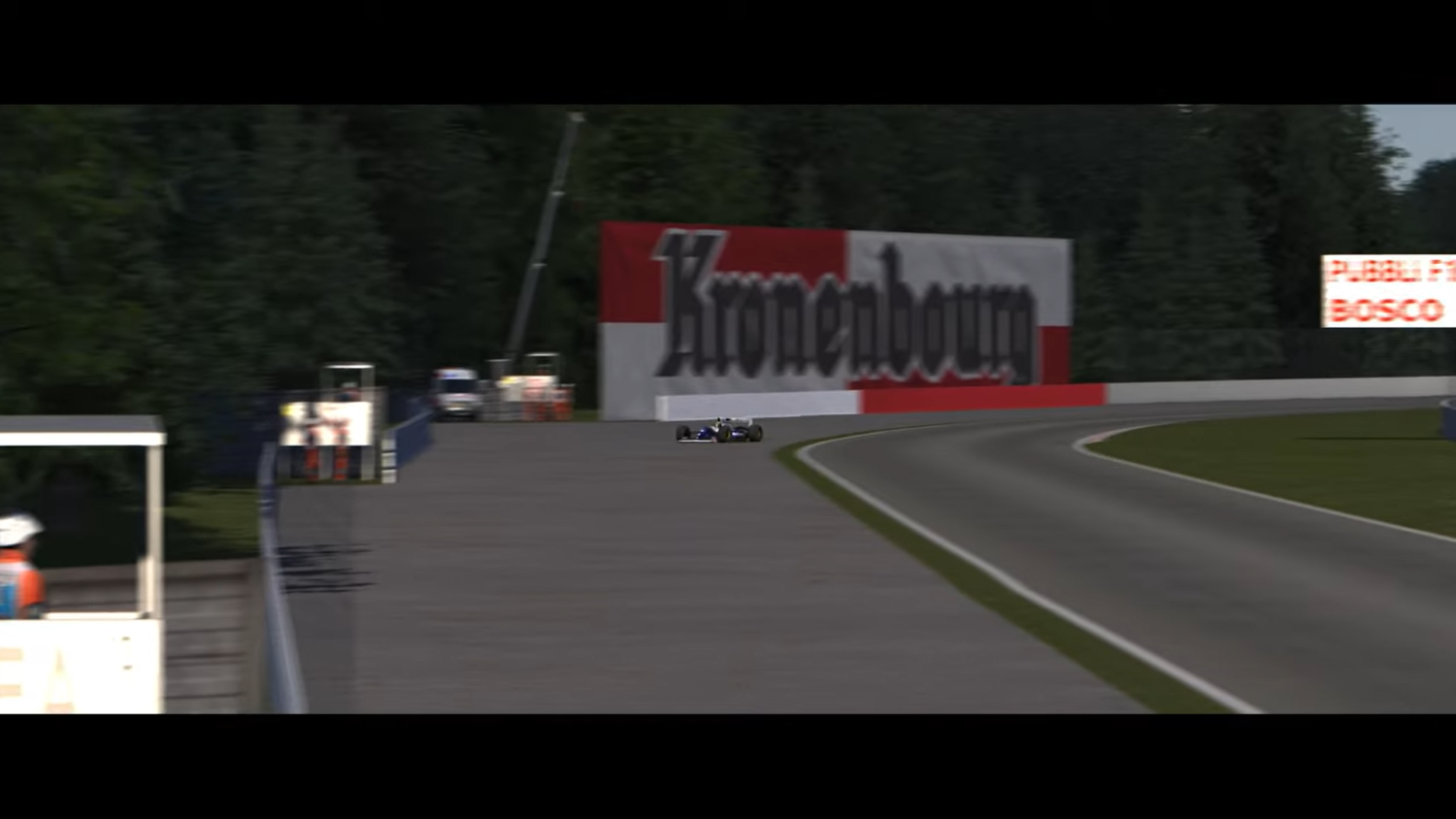
F1 is still a dangerous sport, with the most recent fatal accident being the death of Jules Bianchi at the 2014 Japanese Grand Prix. At that time, no explicit or any clear material was published initially about the dramatic accident, in accordance with the contradiction between emphasizing and obscuring the danger of death. Instead, the first public video footage of the incident was obtained when a viewer had uploaded an amateur video of the accident on Youtube.com.
In this sense, the undisputed charm of death Baudrillard dictated is denied from viewers in media broadcasts by various means, if possible, because of its abject nature. Although it is possible for the player’s game avatar to die in a virtual environment, it is impossible for the player himself to die or be seriously injured, even though the gameplay involves affective charge and physical strain. Thus, the simulation is unable to transform into a believable hyperreality and an alternative that satisfies the viewers’ need for drama. These needs could be related to entertainment or voyeurism connected to accidents. Although simulation cannot create a real danger of death, it can, like shock entertainment, create the same type of feelings of being on the edge. Nevertheless, tying the player’s physical boundaries to the ”fleshly” traits of the game engine (e.g. character stamina and injury) is something that will probably develop and grow in the case of simulation games. An example of this is exergaming based on physical training. It is a form of gaming where these two functions are in harmony. At the same time, environmentally friendly and affordable simulated esports are escapist, abstract entertainment that does not emphasize the negative aspects of its reference. Of course, it should be remembered that in most motorsport games, the risk of injury is a faded element despite crashes. These can be contrasted with more action-packed and violent game series such as Grand Theft Auto (Rockstar Games/Take-Two Interactive, 1997–) and Carmageddon (Stainless Games, 1997-), which include driving.
Like other sports, esports is linked to the media in different ways. The reporting on competition events and broadcasting of competitions are presented in sport-specific spectacular fashion. In addition, the media participates in building the images of sports figures outside competitions. Regarding the image and risk-taking capacity of future potential esports stars, Béquer Medak-Seguín (2016) has argued that many F1 legends have a masculine-inspired all-or-nothing approach towards the ever-present danger of death in F1 (Medak-Seguín 2016, 170). The physical-technological symbiosis between the body and the machine is characteristic for the sport. It promotes the attitude and the construction of driver characters (see Medak-Seguín 2016, 171). This has been counterbalanced by the fact that the sport is still life-threatening and unpredictable.
However, because of the aftermath of the accidents of 1994, F1’s decision-making bodies took a ”moralizing and individualistic approach” to the sport, thereby denying the possibility of accidents prior to 1994 occurring in the future (Medak-Seguín 2016, 173). According to Medak-Seguín (2016), in 2001, the FIA, with the help of the automotive industry, made safety a geopolitical project. In particular, Senna’s fatal accident was made to invoke global civil road safety. At the same time, the project basically eliminated all the accidents that preceded 1994, which have nevertheless been an unavoidable feature of the sport. (Medak-Seguín 2016, 175–176.) The connection between the automotive industry and F1 in this commercial safety discourse is inevitably also part of F1 Esports.
Medak-Seguín (2016) has examined Baudrillard’s views on the sport, and according to the former, F1 has fallen into the trap of hyperreality by blindly believing in its own safety ideology. Death is no longer a threat to the sport – in other words, it denies that death is a reality (in racing) (Medak-Seguín 2016, 179). The sports’ relationship to death has gradually shifted from defying this to awareness and caution, and finally to completely ignoring the possibility of death (Medak-Seguín 2016, 180). In the case of F1 Esports, this problem rises to a new level, as the dilemma of safety and drama is still present in F1. Yet, in a simulated game, the serious risks are non-existent, even if the competition itself is equal and dramatic.
Reflection: Future prospects – equal excitement or imitation?
Jonasson and Thiborg (2010) have presented three options for the future of esports. Firstly, esports can develop either into an alternative or a counterculture to modern sports. Secondly, it can become an accepted part of hegemonic sports. Lastly, it can become a hegemonic sport in itself. Esports have been accepted as an official sport in some countries, although the International Olympic Committee has so far not considered it to meet the criteria for a sport. On the other hand, esports itself is also playing with its alternative status. Esports have gained a great deal of popularity and media coverage in recent years. It is possible for it to adapt to the criteria of the sport or sports to adapt in favor of esports, making esports a part of mainstream sports. Then again, in addition to the previously mentioned contract and licensing problems, various moral panics and suspicions towards gaming (e.g. gender-balance, the consequences of violent content, and the increase in gaming addiction) hinder this assimilation into mainstream. The hegemonic setting of the future is not impossible either, as modern competitive sports dominating in current society, have generally gained their position with the Western industrial revolution. Technological development affects our lifestyles and work, and it is therefore not impossible that decreasing physical demands and distances may affect the way we perceive sports. (Jonasson & Thiborg 2010, 292–295.)
The simulation world’s own physical limitations compared to the real world are at the same time the biggest argument against the strengthening position of esports. In addition to danger and accepting the risks and consequences of accidents, real professional racers are required to have quick reflexes, excellent perception, extensive technical understanding, the ability to physically adapt to different conditions, and excellent physical condition. For example, G-forces and dehydration require both strength and endurance from drivers, which must be constantly upheld.
One of the reasons for the possible breakthrough of esports in the field of motorsport has been its entertaining and media-friendly nature. In principle, it is possible for esports to democratize the differences in technical development and resources that exist in real motorsport, and to reduce the behind-the-scenes politics regarding penalties and continuous rule reforms. In addition, if the differences between manufacturers and teams balancing success and budgets are evened out, success in the sport will increasingly be limited to the player’s, or driver’s, own abilities to succeed in racing in the virtual environment. In principle, the games also have even higher probabilities of unpredictable outcomes, for example in terms of driver errors. This applies although there were no technical interruptions or completely unpredictable variables, such as troublemakers or animals appearing on the track or objects causing unpredictable accidents (e.g. debris drifting onto the tracks or loose manhole covers on street tracks). Yet there are esports games that include coded, thrill-boosting surprise elements. It would also be easier to beat a competitor who has risen to a hegemonic position without clear technical advantages and differences in resources between teams. Even in the event of a mass crash, there would be no risk of serious injuries, and vehicles built of carbon fiber worth millions would only be programmed code. Then again, to paraphrase Baudrillard’s views, we have to consider whether anyone is ultimately interested in imitated competition that has been completely stripped of the danger of death.
However, it is possible to perceive simulation more productively instead of re-lived repetition. It can also be imaginative and creative instead of repeatable and limited. In understanding simulations, Kuivakari (2018) has utilized the concept of deformation, which refers to the shift of our visual systems towards a more imaginary direction (Lash 2012, in Kuivakari 2018, 29). He links the development to the observation that the imaginary ultimately determines what is ”invented” (Lury et al. 2012, in Kuivakari 2018, 29). In this sense, esports offers reciprocally feedback, in the spirit of a F1 test simulator, on how, for example, competition could be improved or given more media visibility and new audiences through synergy. Thus, the relationship between deformed simulation and imagination is not necessarily that distant, but even reproductive (Kuivakari 2018, 31).
The production of new knowledge and creativity can be considered as characteristics of simulations due to their deformation, i.e. constant change, rather than the repetition of images of reality. In the case of deformative simulation, the operating environment produced by the simulations is a creative state of new ideas and deviations, in which the simulation begins to repeat other deviations instead of the normal state. (see Kuivakari 2018, 39–40.)
In the case of F1 Esports, the situation is at a turning point. F1 has significant economic policy connections and global media coverage. It has suffered from image problems in addition to ecological policy concerns for regulatory and technical reasons. The launched esports series has updated the image of the sport for new audiences and opened new doors to the world of professional gaming. Due to the limits set for them, simulations also have their own burden in terms of how realistic or creative they want to be in order to make the competition and its risks both realistic and eventful. The alliance between F1 and the F1 Esports series is a unique form of competitive gaming in the sense that the seamless reproduction between the simulation and its subject is relatively credible (cf. e.g. CS:GO and how realistically the simulation of its real-life counterpart is possible to execute). With the synergy, it is expected that the F1 Esports series will increase in popularity, but its ultimate fate will inevitably depend on the state of the F1 series itself. In principle, it is possible for the gaming world to reach the level of hyperreality Baudrillard presented and even simulacra in a game situation. However, based on the interpretation of the deformative concept of simulation, esports does not necessarily produce the kind of revolutionary ideas that the discourse of ”technical” simulation emphasizes. These innovations are implemented in the simulation work of real-life F1 team engineers.
Summary
In this article, I have sought to address that the growing popularity of esports and professional-level simulated racing and institutionalizing it as part of the various sports of the FIA, such as F1, has not only increased the visibility and credibility of esports. At the same time, it has increased the publicity value of F1, sport sponsors, and the automotive industry due to its game-specific synergy. For these reasons, esports series will improve their status even further, but it is possible that real sports may also have to compete with esports series in terms of entertainment value. Despite the establishment of F1’s esports series, the position of esports in motorsports will possibly still undergo changes, as the source codes and the interests of technical and commercial parties are contingent. Despite its rapid growth in popularity, media visibility, and its relative democracy, watching esports is not as popular as watching football or the Olympics, for example.
In the beginning of this article, I illustrated that the development and growth of esports as a professional form of gaming, entertainment and competition, as well as the establishment of esports in the world of sports, have sparked discussion. Despite its progress, the future status of esports is still unclear. One of these regards its survival as alternative competitive gaming or merging into mainstream sports. The physical abilities required for gaming, it’s settling into the culture of spectator entertainment, and the problems of real-life sports federations are also things that esports in its various forms must consider, especially in the field of motorsports. In this context, I also aspire to demonstrate the uniqueness of esports. It is distinctive as an environment; the world of esports is its own medium, a space of action where the physical and the simulated complement each other through the driver/player. It is its own kind of hyper-real world where the best competitive aspects of the sport are elevated. Esports is an experiential form of competitive gaming, where the line between reference and reality is made as blurred as possible from the perspective of gaming and entertainment. For these reasons, I think it offers an entertaining experience, an ideal form of racing for broadcasting, and an almost ideal version of the races in the F1 world that resembles hyperreality.
However, from the theoretic-philosophical point of view of my article, the simulation world of esports is not capable of the full hyperreality Baudrillard described due to its physical limitations. It is both a feature that democratizes the racing series (the physical condition required of players/drivers) and possibly reduces interest (the so-called all-or-nothing attitude to risk-taking where there is a hazard of injury). The level of simulation in the F1 world (racing and the necessary equipment) and the mental-physical requirements of its paragon, especially the risk of injury and the physical strain of driving, are to some extent contradictory. It inevitably affects the entertainment value of F1 Esports – even if we won’t admit it.
The synergy of esports with F1 and the parties around it is both an advantage and a disadvantage. The visibility and popularity of the parties can foster each other. Yet, inevitably, the popularity of F1 Esports depends on the popularity and resources of its paragon. Of the real-life problems, I have mentioned, the contradictory position of sports organizations, the political nature of sports events, and the effects of the global economy on the motives of the sport’s surrounding parties are also variables that affect F1 Esports’ strength of position. In my opinion, the more esports gains mainstream popularity at the expense of traditional sports, the more the impact of these problematic factors will start to show.
All in all, I want to address how F1 Esports is a complementary element, in addition to being a standalone game format. It is so from the point of view of the gaming and automotive industries, the financial interests of third parties, and the cooperation of the F1 series. In the spirit of deformative simulation, it is possible to see its significance for the F1 series as a simulation that produces new information and an imaginary virtual world. The significance lies not only in modeling that strives for identity or as a depiction of the power relations surrounding the sport. Watching a branded, high-quality esports series is also likely to increase the F1 series’ audience, especially in new countries, and among a younger group of people focused on gaming, reciprocally strengthening the establishment of the F1 Esports series as a form of competitive gaming.
Sources
All online sources checked, updated, and substituted, when needed on 26.2.2026.
Magazines and other publications
Vauhdin Maailma 1/2014. Joni Vainio: ”Edullista kilpa-autoilua”, 62–65.
Vauhdin Maailma 4/2017. Lauri Hollo: ”eMotorsport rynnii vahvasti moottoriurheiluun”, 60–63.
Online sources
Business Insider 12.1.2018. Andrew Meola: ”The biggest companies sponsoring eSports teams and tournaments”. https://www.businessinsider.com/top-esports-sponsors-gaming-sponsorships-2018-1?r=US&IR=T.
Crash.net 27.8.2019, updated 31.3.2022. Luke Smith: ”The importance of esports to motor racing’s future”. https://www.crash.net/f1/feature/928043/1/importance-esports-motor-racing-s-future.
DOT ESPORTS 13.9.2016. Ryan Kish: ”Riot Aunnounces 103 Million Monthly Players”. https://dotesports.com/league-of-legends/news/riot-announces-103-million-monthly-players-11828.
FIAFormulae 26.4.2019. ”Race Against the Grid in Real-Time as Virtually Live Ghost Racing Launces. https://www.fiaformulae.com/en/news/8236.
Game Developer 17.1.2019. Alissa McAloon: ”Analyst: PUGB out-earned every other premium PC and console game in 2018”. https://www.gamedeveloper.com/business/analyst-i-pubg-i-out-earned-every-other-premium-pc-and-console-game-in-2018.
Gran-Turismo.com, undated. Homepage of GT Academy. https://www.gran-turismo.com/gb/academy/.
GTPlanet.net 11.10.2018. Joe Donaldson: ”Sim Racing Is Now an Officially Recognized Motorsports Discipline in Germany”. https://www.gtplanet.net/sim-racing-is-now-an-officially-recognized-motorsports-discipline-in-germany/.
Historicsimracing.forumotion.com, undated. Homepage of Historic Simracing Organzation. https://historicsimracing.forumotion.com/.
IMDB.com, undated. Episode info of series Faking It, Season 4. Episode 8., Games Tester to Racing Driver. https://www.imdb.com/title/tt36971883/?ref_=ttep_ep_8.
McLaren.com 21.11.2017. ”RUDY VAN BUREN WINS WORLD’S FASTEST GAMER TO BECOME OFFICIAL McLAREN SIMULATOR DRIVER”. https://www.mclaren.com/racing/gaming/worlds-fastest-gamer/2017/rudy-van-buren-wins/.
Motorsport.com 20.12.2018. ”Insight: Why it’s time to take the Sim Racing business seriously”. https://www.motorsport.com/gaming/news/sim-racing-business-serious-money/4314653/.
Motorsportmagazine.com 22.7.2019. Jake Williams-Smith: ”Verstappen and Norris win Spa 24-hour esports race”. https://www.motorsportmagazine.com/articles/single-seaters/f1/verstappen-and-norris-win-spa-24-hour-esports-race/.
Mtvuutiset.fi 9.7.2018. MTV SPORT. ”Suomen Tino Naukkarinen yllätti – F1-talli varasi ykkösenä”. https://www.mtvuutiset.fi/artikkeli/suomen-tino-naukkarinen-yllatti-ja-teki-elektronisen-urheilun-historiaa/6987944.
Mtvuutiset.fi 20.10.2018. Otto Palojärvi/ MTV SPORT: ”Ferrari-pomo pitää Playstationia uhkana”. https://www.mtvuutiset.fi/artikkeli/ferrari-pomo-pitaa-playstationia-uhkana/7123846.
PCGAMER 25.8.2019. Victoria Rose: ”OG Dota wins The International for the second year in a row, claims biggest esports price ever”. https://www.pcgamer.com/og-dota-wins-the international-for-the-second-year-in-a-row-claims-biggest-esports prize-ever/.
Sky Sports 8.9.2016. Sky News. ”Liberty Media buys Formula 1 in £6bn deal”. https://www.skysports.com/f1/news/12433/10569349/liberty-media-buys-formula-one-motor%20racing-in-6bn-deal.
The Drive 6.4.2019. Kyle Cheromcha: ”Ex-Formula 1 Driver, GRC Champ Scott Speed Suspended From iRacing Over Intentional Crashes”. https://www.thedrive.com/news/18175/ex-formula-1-driver-grc-champ-scott-speed-under-fire-over-intentional-iracing-crashes.
Top Gear 15.11.2013. Dan Read: ”Geek, rebooted”. https://www.topgear.com/car-news/gaming/geek-rebooted.
Literature
Abanazir, Cem. 2018. ”Institutionalisation in E-Sports”. Sport, Ethics and Philosophy, 1–15. https://doi.org/10.1080/17511321.2018.1453538
Baudrillard, Jean. 1994. Simulacra and Simulation, Ann Arbor: The University of Michigan Press.
Baudrillard, Jean. 2002. Screened out, Verso: London – New York.
Ekdahl, David & Susanne Ravn. 2018. ”Embodied involvement in virtual worlds: the case of eSports practitioners”. Sport, Ethics and Philosophy, 1–13. https://doi.org/10.1080/17511321.2018.1475418
Jenny, Seth. E., R. Douglas Manning, Margaret C Keiper & Tracy W. Olrich. 2016. ”Virtual(ly) Athletes: Where eSports Fit Within the Definition of ”Sport”. Quest, 69 (1), 1–18. https://doi-org.ezproxy.jyu.fi/10.1080/00336297.2016.1144517
Jonasson, Kalle & Jesper Thiborg. 2010. ”Electronic sport and its impact on future sport”. Sport in Society, 13 (2), 287–299. https://doi.org/10.1080/17430430903522996
Jonasson, Kalle. 2016. ”Broadband and Circuits: the place of public gaming in the history of sport”. Sport, Ethics and Philosophy, 10 (1), 28–41. https://doi.org/10.1080/17511321.2016.1171250
Karhulahti, Veli-Matti. 2015. ”Do Videogames Simulate? Virtuality and Imitation in the Philosophy of Simulation”. Simulation & Gaming, 46 (6), 838–856. https://doi.org/10.1177/1046878115616219
Karhulahti, Veli-Matti. 2017. ”Reconsidering Esports: Economics and Executive Ownership”. Physical Culture and Sport. Studies and Research, 74 (1), 43–53. https://doi.org/10.1515/pcssr-2017-0010
Kari, Tuomas & Veli-Matti Karhulahti. 2016. ”Do E-Athletes Move? A Study on Training and Physical Exercise in Elite E-Sports”. International Journal of Gaming & Computer Mediated Simulations, 8 (4), 53–66. https://doi.org/10.4018/IJGCMS.2016100104
Kuivakari, Seppo. 2018. Pelien Kynnyksellä: pelit ja simulaation salainen historia. Lapin Yliopisto – Taiteiden Tiedekunta. https://urn.fi/URN:ISBN:978-952-337-086-9
Llorens, Mariona Rosell. 2017. ”eSport Gaming: The Rise of a New Sports Practice”. Sport, Ethics and Philosophy, 11 (4), 464–476. https://doi.org/10.1080/17511321.2017.1318947
Medak-Seguín, Béquer. 2016. ”Ayrton Senna, Alain Prost and the Specter of Death”. In Regina R. Félix & Scott D. Juall (edit.) Cultural Exchanges between Brazil and France: 168–182. https://doi.org/10.2307/j.ctt163t7m7.14
Miller, Toby. 2016. ”Greenwashed sports and environmental activism: Formula 1 and FIFA”. Environmental Communication, 10 (6). 719–733. https://doi.org/10.1080/17524032.2015.1127850
Næss, Hans-Erik. 2017. ”Sandwiched Between Sport and Politics: Fédération Internationale de l’Automobile, Formula 1 and Non-Democratic Regimes”. The International Journal of the History of Sport, 1–19. https://www.tandfonline.com/doi/full/10.1080/09523367.2017.1371700
Saarikoski, Petri, Jaakko Suominen & Markku Reunanen. 2017. ”The Gamification of Digital Gaming – Video Game Competitions and High Score Tables as a Prehistory of E-Sports in Finland in the 1980s and Early 1990s”. GamiFin Conference, Pori, Finland, 9.–10.5.2017. https://ceur-ws.org/Vol-1857/gamifin17_p3.pdf
Xiao, Min. 2019. ”Factors Influencing eSports Viewership: An Approach based on the Theory of Reasoned Action”. Communication & Sport, 1–31. https://doi.org/10.1177/2167479518819482